

How to Get the Most Out of Your CME Allowance
Continuing Medical Education is essential for maintaining licensure and staying current in clinical practice.
How to Maximize Your CME Allowance without Sacrificing Quality
Continuing Medical Education is essential for maintaining licensure and staying current in clinical practice – but earning CME credits doesn’t have to strain your education budget. With the right strategy, you can maximize the value of your CME while still getting high-quality education and meaningful learning experiences.
Continuing Education Company (CEC) has a few smart ways to stretch your CME budget, whether you prefer attending conferences in person, joining a virtual livestream, or completing online courses.
Attend an In-Person CME Conference and Maximize the Value
Attending an in-person CME conference is always a valuable experience – and it doesn’t have to break the bank. Continuing Education Company (CEC) offers the most competitive tuition pricing for in-person conferences. View the conference calendar to see which conference topic, location, and cost best fit your needs.
How to Save on CME Accommodations
If you prefer attending in-person and want to maximize your CME allowance, one of the biggest tips is to book early. Discounted room rates are offered for a limited time, and reserving early can help you secure the best price and your preferred accommodations. Whether you’re attending one of CEC’s beach destinations, on a cruise, or in a major city, planning ahead can lead to significant savings.
Find CME Conferences with Extra Perks Included
Free Online CME Options
Another way to maximize value is through the free CME offered with conference attendance. When you participate in a CEC in-person conference, you’ll receive a free 15-credit online course. This added value allows you to earn even more CME credits while keeping additional money in your pocket. Essentially, you'll get nearly $600 worth of free credit.
Conference Perks Give an Added Value
You can also take advantage of additional conference perks. For example, CEC provides printed handouts at no extra cost, giving you a convenient reference for your notes after the conference. There is also the option to access the livestream onsite. While the conference room allows for the most interactive and engaging experience, you can stream a few sessions from the hotel or poolside. Combined with half-day schedules, this flexibility makes it easier to enjoy your destination, recharge, and relax while still earning valuable CME credits. This is a great added value. Explore conference perks for each CME destination.
Don’t Let a CME Conference Leave You Empty Handed
When you are back at work, you will want to reference conference materials and perhaps share information with colleagues. In addition to clinical insights that you can immediately apply in practice, you’ll have printed slides for reference and access to conference recordings for 90 days – so you can revisit topics anytime without paying extra for additional materials.
Save on CME Workshops and Hands-on Learning
If you are really looking for quality hands-on learning, consider pairing your conference with a workshop. CEC workshops can be added at a discounted rate when bundled with a conference, allowing you to deepen your learning in a focused, hands-on setting.
Get the Conference Experience without Travel Expenses
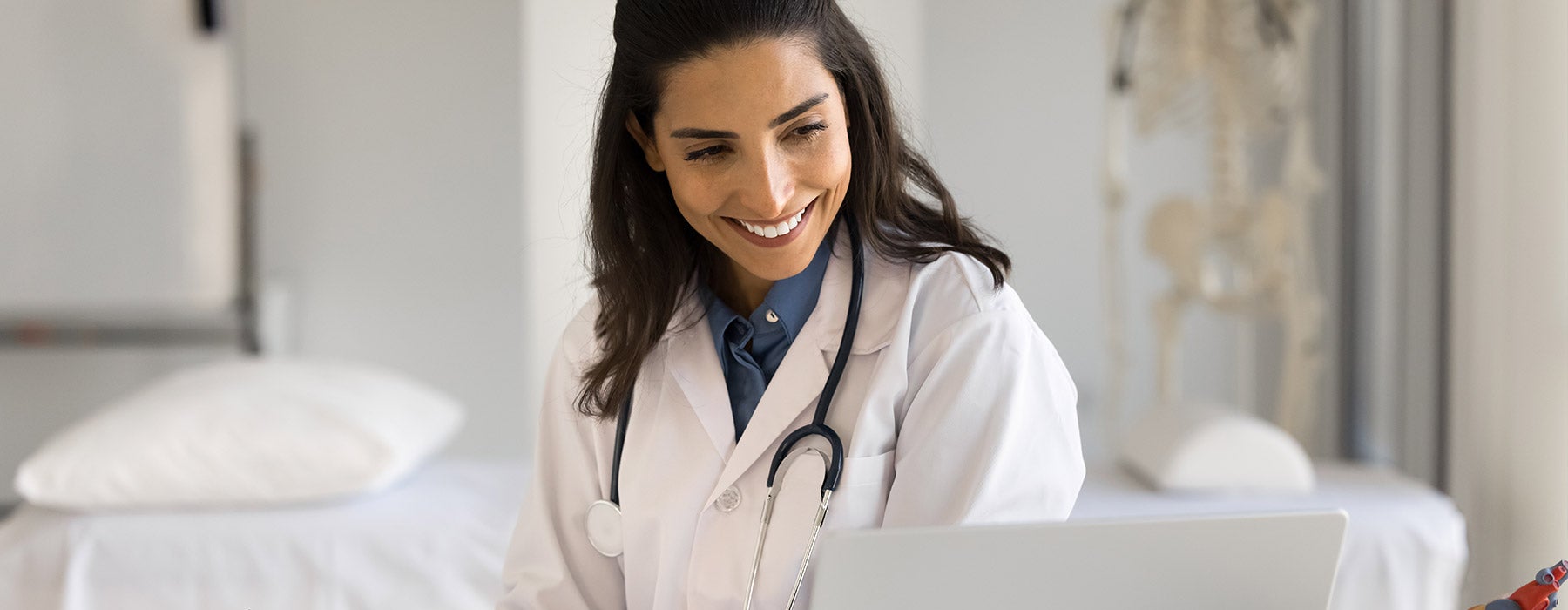
Livestreaming a CME conference is a great way to enjoy the benefits of a live event without the travel expense or a major interruption to your busy schedule. With CEC's livestream webcasts, you can participate in Q&A sessions through the chat and still get the interactive experience of an in-person conference.
You’ll also receive free recordings for 90 days, giving you extra opportunities to review key sessions and gain actionable insights you can bring back to your practice.
Choose Online CME Courses for Maximum Flexibility
Need more flexibility than attending in person or via livestream? An online CME course can give you the convenience you need – no travel expenses, no time away from your practice, and the ability to learn on your own schedule.
When choosing online CME, there are a few ways to maximize your value. Start by looking at course collections. CEC collections bundle multiple courses together, offering a large number of credit hours at a discounted rate and potentially saving you hundreds of dollars if you need to earn a significant number of hours.
It’s also worth keeping an eye out for online sales. While many CME providers offer discounts mainly during the end-of-year holiday season, CEC runs sales throughout the year. Signing up for the newsletter ensures you’ll be among the first to know when new promotions are available.
You can also browse the course library for free CME opportunities and pair those offerings with other online courses to stretch your education budget even further.
Finally, consider on-demand conference replays. These allow you to experience conference-quality sessions without traveling, while giving you the flexibility to watch and learn whenever it works best for your schedule.
Make Your CME Budget Go Further
Whether you choose in-person conferences, livestream events, or online CME courses, there are plenty of ways to maximize your CME budget without sacrificing the quality of your education. By planning ahead, taking advantage of bundled offerings and promotions, and choosing formats that fit your schedule, you can earn the credits you need while getting the most value from your CME investment.
Upcoming CME Conferences & Online Learning
Want to attend a live CME conference or complete an online course from the comfort of home?
At Continuing Education Company, we make your medical continuing education fun, engaging, and relevant. Explore our conference calendar to view upcoming dates and destinations as well as CME365™ online courses and live streaming options.
For a limited time, take advantage of our Special Offer: attend one of our live conferences in person and receive a FREE online 15 credit CME course from CME365™.